If you are planning a custom home, you may wonder whether your first step is hiring an architect. The answer depends on the home you want to build and how you choose to organize the project.
An architect may have an important role, especially when a home has complex design or technical requirements. But you do not necessarily need to hire an architect separately before speaking with a builder. With a design-build approach, design and construction are planned together, so the people developing your home can consider your property, priorities, budget, and construction requirements as the design takes shape.
Understanding that difference can help you decide where to begin.
How Does Design-Build Differ From Hiring an Architect First?
One common path is to work with an architect or designer to develop plans, then bring those plans to builders for construction proposals. This approach can work well. It gives the homeowner a design to discuss with prospective builders, although construction pricing and site considerations may lead to changes after the plans have been developed.
Design-build brings the design and construction sides of the project into the conversation earlier. Instead of waiting until a design is complete to discuss how it will be built, the team can consider those questions while the home is still being shaped.
That does not mean every decision is settled at the start or that changes will never be needed. It means the design can develop with input about the property, materials, construction, and investment goals.
Why Does Early Construction Input Matter?
Custom-home decisions are connected, especially when you are building on your own lot. Imagine you want a living room with large windows overlooking the best view on your property. That goal may affect where the home sits, how the room is arranged, the window specifications, structural planning, privacy, and the overall project budget.
The same is true of a walkout lower level, a long driveway, or a home designed around existing trees. Each choice may create opportunities and practical questions.
When design and construction are discussed together, you can explore those relationships before committing too deeply to one solution. The aim is to make informed choices while there is still room for the design to respond.
What Does the LOYL Design-Build Process Look Like?
At LOYL Construction, the process begins with listening. Before developing a design, the team seeks to understand how you live, what matters most to you, what you hope to invest, and what property you own or are considering.
From there, the design-build process connects several stages of the project:
- Discovery: Discuss your goals, priorities, property, and investment expectations.
- Property evaluation: Consider how the site could influence the home’s placement and design. Some conditions may call for surveys, testing, engineering, or review by local authorities.
- Design: Develop the home around your lifestyle and property, with construction considerations and budget in view.
- Planning: Develop plans, specifications, selections, scheduling, and construction details before building begins.
- Construction: Manage the build and keep you informed as the work progresses.
Every project has its own requirements, so the work within each stage will depend on the home and property. The purpose of this approach is to keep your vision connected to the decisions needed to build it.
A Realistic Example of How This Can Work
LOYL’s approach is designed to bring budget and construction considerations into the conversation while the home is still being developed. In a recent project discussed by the LOYL team, a homeowner had a clear vision for the house but also had a specific budget to meet. The homeowner had previously spent several months developing a design and then received a price that was significantly above the budget.
LOYL reviewed the project and quickly identified that the design needed to change to bring the home closer to the homeowner’s target. Rather than simply presenting a price and leaving the homeowner to figure out what to remove, the team worked through the design with the homeowner, including a smaller footprint that could still preserve the priorities they had identified.
The homeowner ultimately approved the revised direction and moved forward with LOYL. The example illustrates the role LOYL wants the design-build process to play: listen to what the homeowner is trying to accomplish, understand the budget, and guide the design toward a buildable solution instead of separating design from the realities of construction.
The specific steps and requirements will vary by project, but the principle remains the same: Hear First. Guide Well. Build Right.
What If You Already Have Plans?
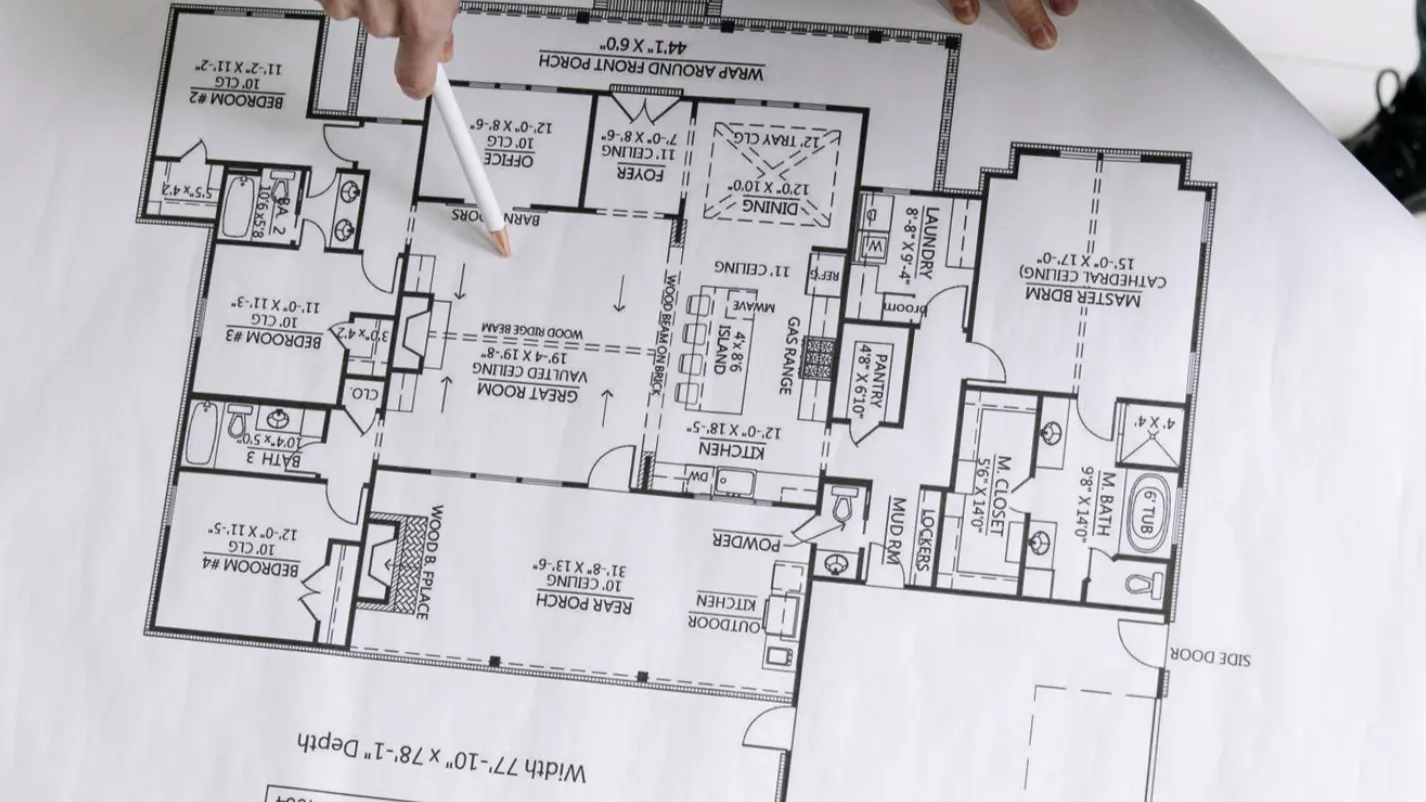
You can bring an existing floor plan, architectural drawings, sketches, or inspiration to the conversation. They can help show what you like and what you hope to achieve.
A plan created for another property may need to change. It might not account for your views, the direction of the sun, access to the homesite, setbacks, or the way you want to use the land. Even a plan you love is worth reviewing against your property and project goals before treating it as final.
What If You Have Not Purchased Land Yet?
You do not have to wait until you own a lot to speak with a builder. If you are evaluating property, early input can help you identify questions about access, utilities, well and septic needs, slopes, drainage, or other site conditions.
An initial conversation or lot walk cannot establish everything about a property. Some questions require specialized evaluations and approvals. It can, however, help you understand what deserves a closer look before you move further into the design.
Does Design-Build Work for Every Custom Home?
There is no single process that fits every homeowner. You may already have an architect you want to work with, or your home may have requirements that call for particular design or engineering expertise. You may prefer to develop plans separately before selecting a builder.
If you want design and construction considerations connected from the beginning, design-build is an option worth exploring. As you compare approaches, ask who will guide the design, when the property and budget will be evaluated, how construction input will be incorporated, and what happens when a decision needs to change.
Those answers can tell you more about the experience ahead than a process label alone.
A Design-Build Approach Across West and Northern Michigan
LOYL designs and builds custom homes in West Michigan, including Grand Haven and Holland, and serves homeowners in Northern Michigan, including the Manistee and Traverse City areas.
For homeowners searching for a custom home builder in Manistee, Traverse City, or other communities across West and Northern Michigan, the location of the property is part of the design conversation. Site conditions, access, views, utilities, and local requirements can all influence how a custom home is planned.
LOYL’s design-build process is intended to keep those considerations connected from the initial conversation through design, pricing, planning, and construction.
Frequently Asked Questions About Architects and Custom Home Building
Start With a Conversation
You do not need a finished floor plan or a construction date to begin. Whether you already own land, are considering a property, or are still defining what you want from your home, LOYL can start by listening to your goals and discussing the questions that will shape the project.
Talk with LOYL Construction about your property, priorities, and plans.
Hear First. Guide Well. Build Right.